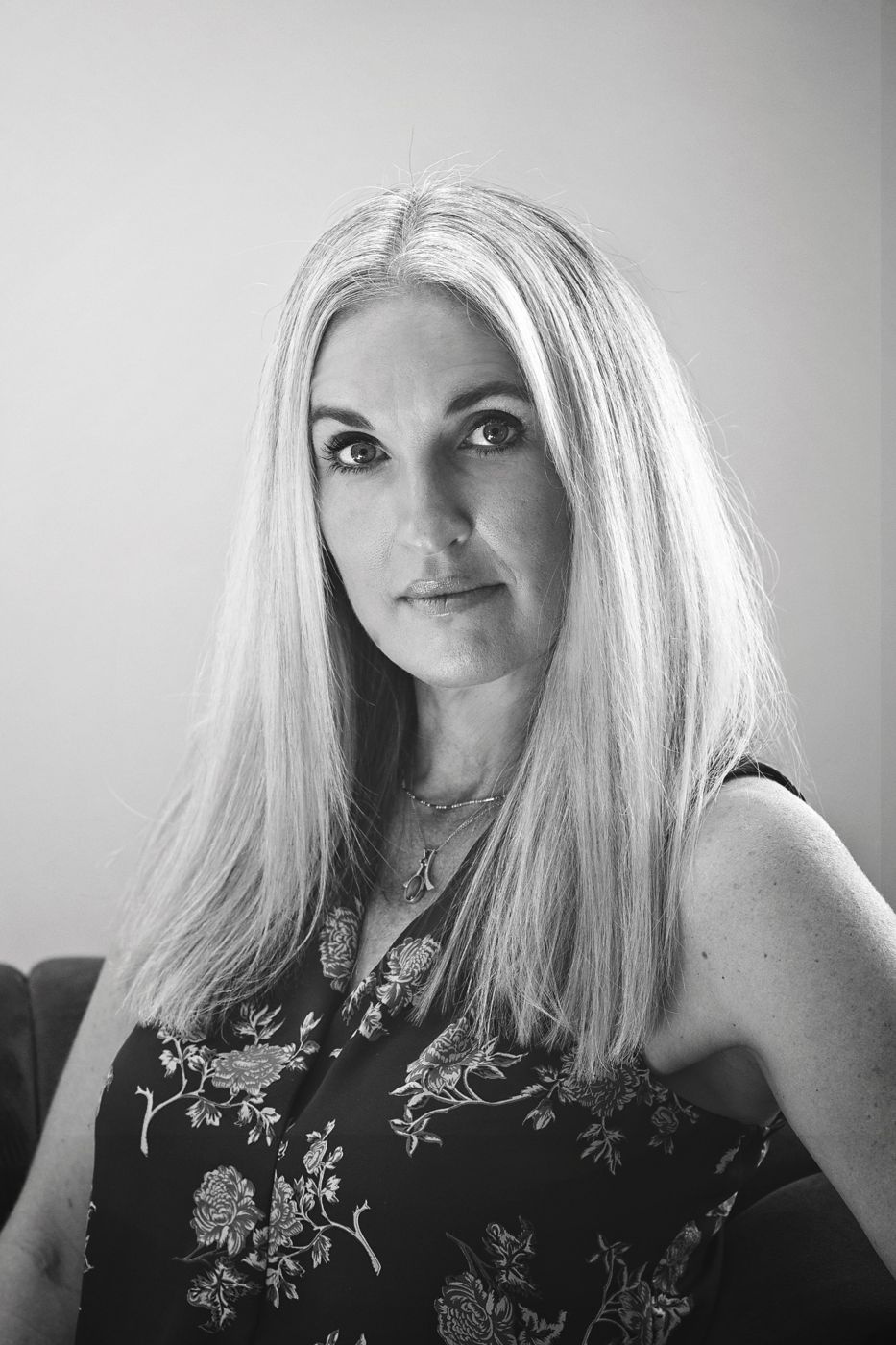
About Tami Watson, LMT
A decade of listening to what the body knows
My work blends clinical precision with nervous-system-informed care — for people ready to work with their body’s wisdom, not just manage its symptoms.
My approach
From structural relief to integrative healing
My work has evolved over a decade of experience in therapeutic massage, medical and sports bodywork, craniosacral therapy, and intuitive energy work. What began as a structural approach to pain relief and injury recovery has deepened into a holistic practice rooted in nervous system regulation and integrative healing.
At the core of my approach is the belief that the nervous system is the gateway to healing.
Today, my sessions are designed to support the body and the psyche. I combine clinical precision with somatic presence, using a blend of manual therapy, craniosacral techniques, acupressure, and subtle energy work to meet each client exactly where they are — physically, emotionally, and energetically.
When we bring the body into a regulated state, we create the conditions for deeper repair, both in the tissues and in the mind. Healing is something we invite, not force. Read more about how I work.
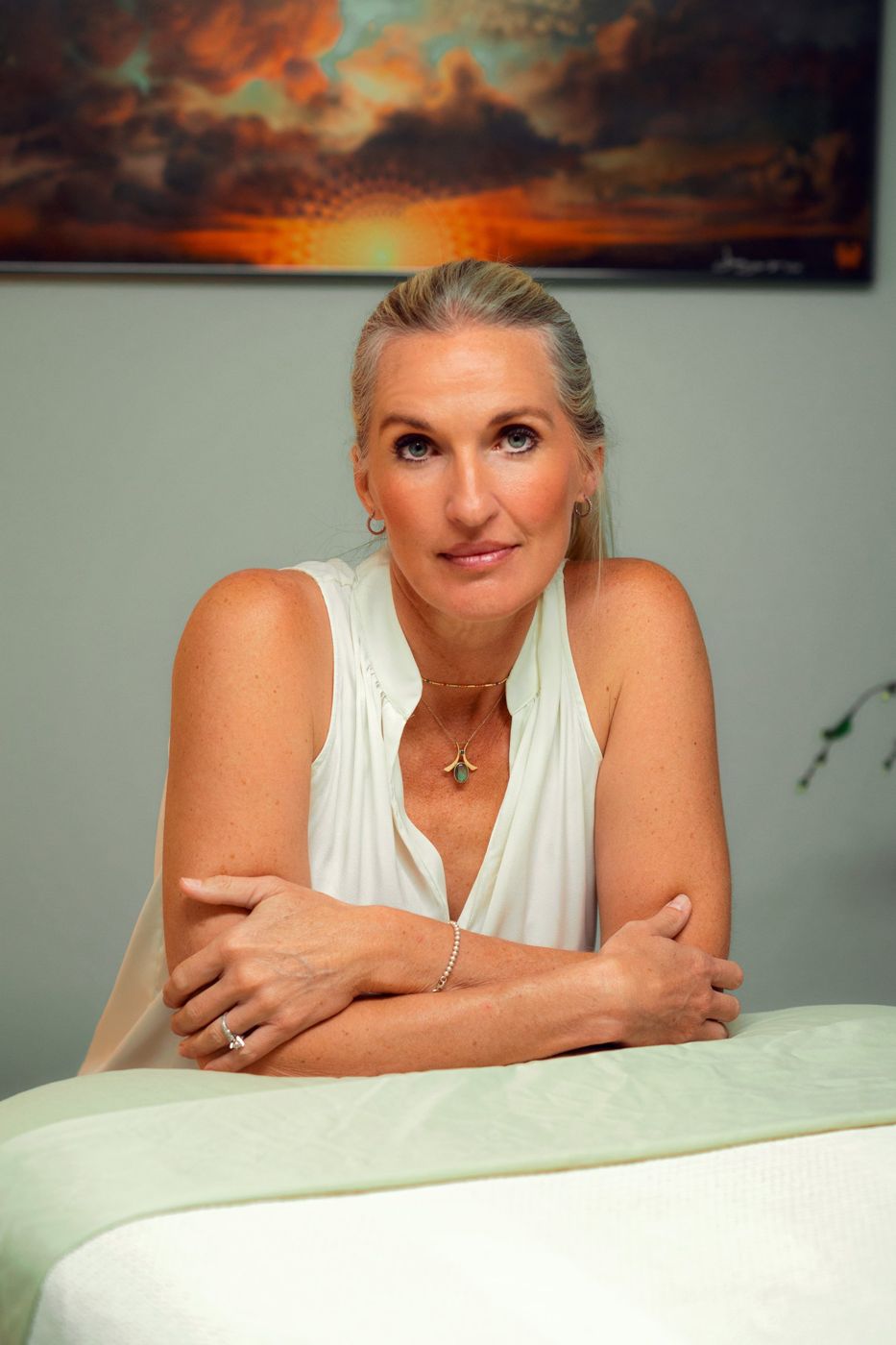
Training and credentials
A practice built on continued study
My training spans clinical bodywork, craniosacral and energy-based modalities, and coaching — each adding a layer to how I work with the body and nervous system together.
- Licensed Massage Therapist, State of UtahLicense #5025438-4701
- Professional Massage and Bodywork, Eagle Gate College2016 · 640 clock hours · graduated with high honors
- Medical Massage Practitioner certification2018
- Advanced Sports Massage certification2019
- Certified Life Coach, The Life Purpose Institute, San Diego2020 · 60 ICF-approved coach-specific training hours
- PSI practitioner89.5 hours of Apprentice Training through the Psychedelic Somatic Institute
- Numinus FundamentalsFoundational coursework in psychedelic-assisted therapy
- Craniosacral therapy, acupressure, and ReikiHands-on and energetic modalities supporting nervous system regulation
- End-of-life doula training through HELD24 hours
- Training in trauma-informed approaches to bodywork
My practice
A practice shaped by presence
I work with a limited number of clients so that I can be fully present with each person I see — physically, emotionally, and energetically.
If you’re carrying chronic tension or emotional overwhelm, or simply want a deeper connection to your body’s wisdom, let’s work together.
A note on my name
You may have known me as Tami Harris. Same practitioner, same practice, new name.

Let’s see what your body has to say.
90-minute bodywork, or 60-minute Somatic Awareness and coaching sessions. Weekdays, with Saturdays by request. Millcreek, Utah.